October 21, 2026
Siding protects homes from the elements while enhancing visual appeal. Whether damage stems from age, weather wear, or specific impacts, exterior issues need prompt attention to maintain structural integrity. Property owners often face a dilemma between updating their exterior completely or opting for targeted fixes. This decision carries profound implications for property value and home protection. This article delivers a thorough comparison between siding replacement and exterior repair, focusing on return on investment and long-term performance. The goal is to provide clear insights for homeowners making structural decisions that align with their long-term property goals.
Review Materials and Characteristics
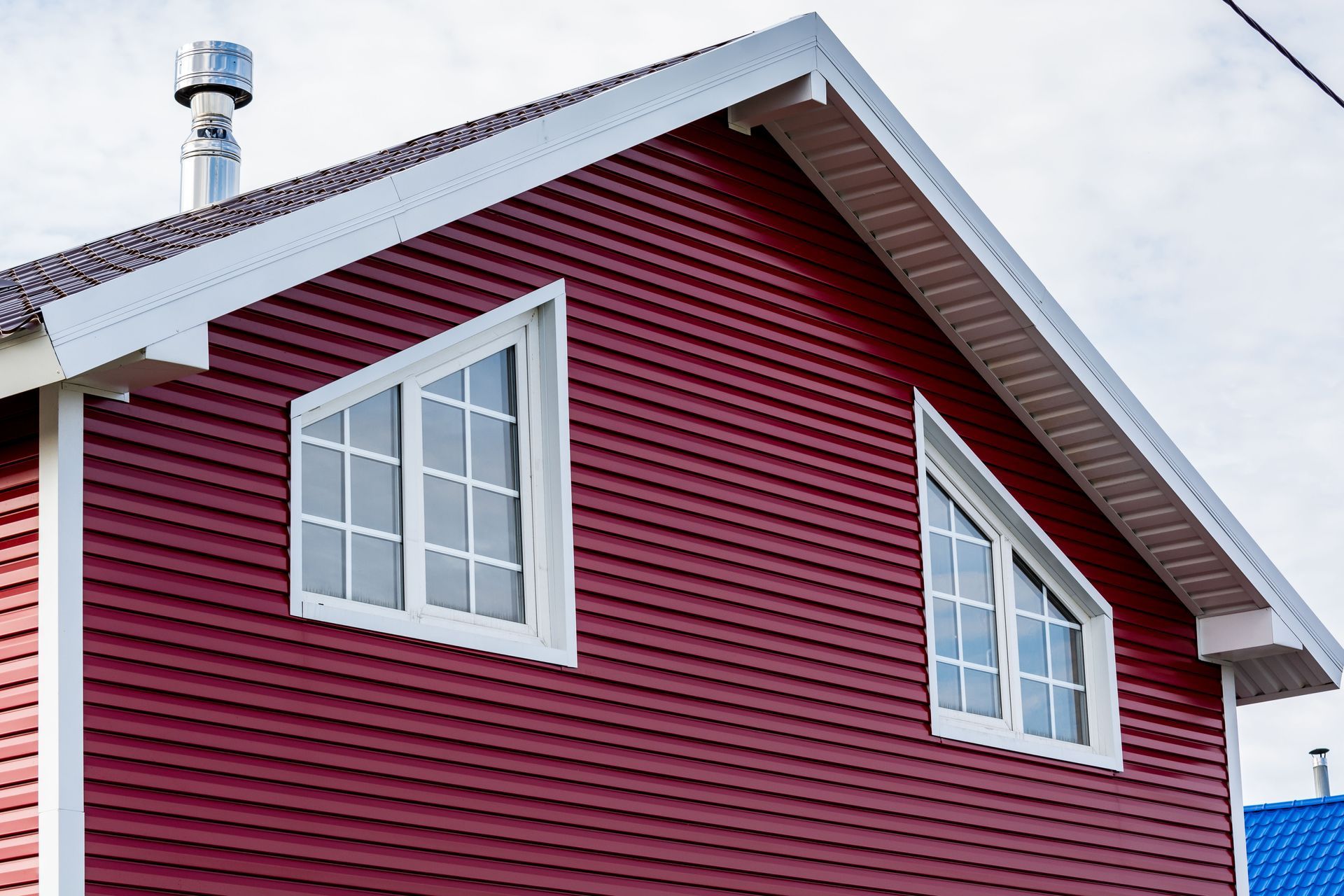
The choice of exterior material dictates a home's durability and aesthetic appeal. Vinyl is popular due to its low maintenance requirements and budget-friendly nature. Cedar offers a traditional look, but requires consistent upkeep to prevent decay. Fiber cement and composite options are gaining widespread popularity for their incredible weather resistance. Every material presents specific advantages and drawbacks. Vinyl is versatile yet susceptible to extreme temperatures. Wood appeals to many, yet demands strict upkeep. Fiber cement offers exceptional defense, though installation requires specific expertise.
Material lifespan depends on environmental factors and routine care. Wood might deteriorate in moist environments, while other options withstand harsh seasonal shifts. According to HomeGuide, proper upkeep enables brick, stone, fiber cement, and engineered wood to reach a remarkable siding lifespan of over 100 years. Installation quality dictates performance, as improper application leads to weather damage. Composite and fiber cement options dominate the market due to their sustainability and rugged nature. Innovations deliver enhanced aesthetics with expansive color palettes.
Explore Replacement and Benefits
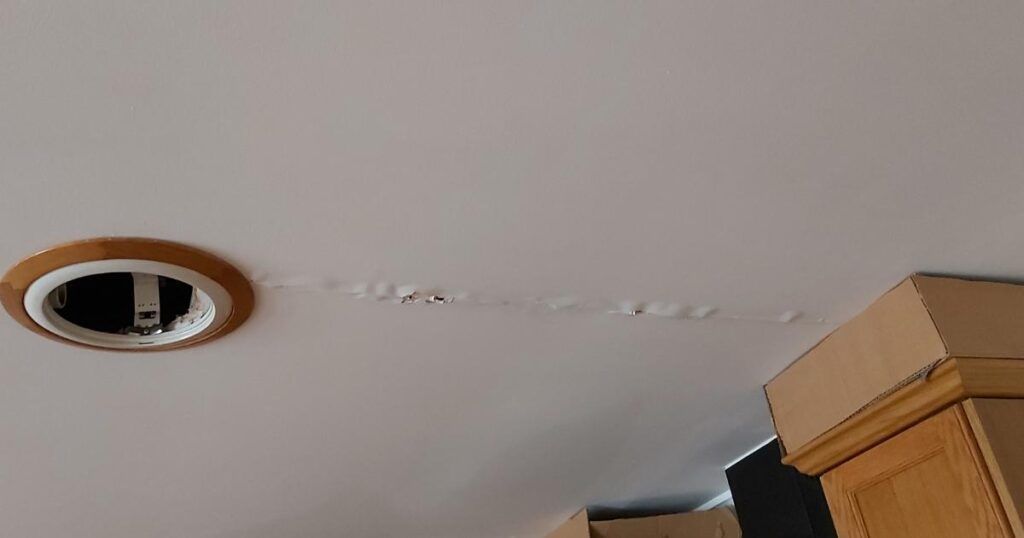
Specific scenarios make siding replacement the most feasible option compared to minor fixes. Warping, extensive rot, or widespread moisture damage necessitate a complete overhaul to restore the underlying wall framing. Aesthetic updates also drive full exterior upgrades. Unseen issues like failing stucco can trap water and damage framing beneath the surface. Recognizing these severe situations helps prioritize a new installation to ensure long-term value retention. Updating the exterior provides substantial benefits that extend well beyond mere aesthetic improvements, transforming curb appeal.
An exterior overhaul provides an opportunity to upgrade to materials with superior weather resistance. A complete project addresses underlying issues like moisture intrusion that might go unnoticed during a simple patch job, offering comprehensive protection. The financial scope of siding replacement covers materials and labor. Material expenses vary based on the selected product, with premium fiber cement requiring a larger commitment than standard vinyl. Removing old panels might reveal issues requiring structural remediation. A fresh exterior positively impacts resale potential. Premium materials contribute to energy efficiency, appealing to modern buyers.
Assess Repairs and Limitations
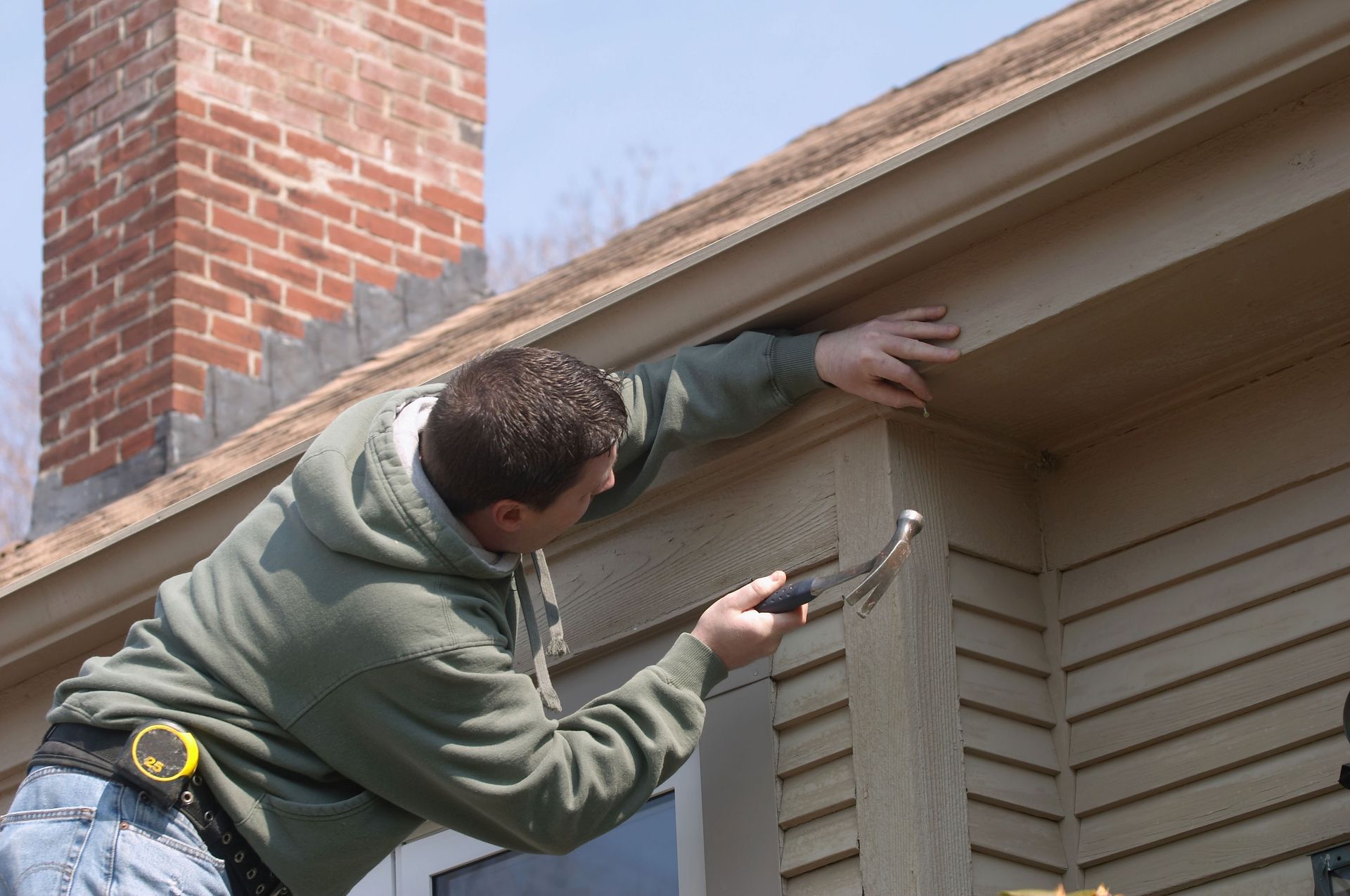
Targeted fixes offer a straightforward way to address isolated issues without resorting to a full-scale project. Minor cracks, small gaps, or localized water damage can often be resolved through careful patching or board swapping. Fixes remain viable when the vast majority of the exterior remains intact and visually cohesive. Identifying these minor scenarios ensures practical solutions and prolongs the life of the current installation. A primary advantage of minor repair work involves retaining the current aesthetic. By focusing on specific damage zones, homeowners resolve vulnerabilities while minimizing environmental waste.
The expenses linked to minor exterior corrections are predictable and contained compared to a full overhaul. Materials used for sealing individual boards require less financial commitment. Despite the smaller initial scope, repeated fixes for recurring issues can disrupt long-term budgeting. Homeowners must determine if a short-term fix offers genuine relief or delays an inevitable large-scale project. Effective exterior repair requires specific techniques tailored to the material. For vinyl, small cracks need special adhesives. Wood fixes involve swapping out rotted sections. Fiber cement maintenance might include resealing joints to block moisture intrusion.
Compare Returns and Investments
Return on investment remains a core metric when deciding between siding replacement and targeted repair. To calculate the return for a full upgrade, homeowners weigh the upfront material costs against the projected increase in property value. Brand new exterior products boost curb appeal and command higher sale prices, offering a robust financial return. Modern materials also enhance insulation, contributing to long-term utility reduction. Assessing the return on repair involves measuring the immediate savings achieved by avoiding a full installation. Patching keeps initial outlays low while addressing critical vulnerabilities.
In the short term, minor fixes defer substantial financial outlays and provide immediate relief. If patching becomes a frequent necessity, compounding expenses erode the initial financial advantage, reducing the overall return relative to a complete upgrade. Evaluating how effectively a patch extends the material's usable life ensures a genuine return on investment. Local housing demand impacts the financial gains realized from a pristine exterior upgrade. An upgrade involves major initial expenses but yields better appreciation over extended periods. Patching stays modest at the outset but compounds if hidden damages progress.
Measure Longevity and Maintenance
Newly installed exteriors deliver incredible durability when paired with premium materials and expert craftsmanship. Modern options like fiber cement and composite boards provide exceptional resistance to environmental challenges and severe weather. Improved installation techniques eliminate vulnerabilities, ensuring complete structural defense. The longevity of siding replacement ties directly to the chosen product, with high-end materials presenting robust options that demand minimal upkeep. Minor fixes do not offer the same longevity assurances as complete upgrades but still extend existing material life. Properly executed patching addresses surface-level vulnerabilities and restores protective barriers.
The efficacy of a patch relies on resolving underlying moisture problems and ensuring consistent upkeep. The life expectancy of targeted fixes varies based on material type and the severity of the original damage. Both major upgrades and minor fixes require ongoing maintenance to ensure effectiveness. Routine cleaning, thorough inspections, and prompt resolution of surface damage extend material life. Wood demands preventive measures against moisture and pests, while vinyl and fiber cement require less intense interventions. Neglecting maintenance diminishes the return on investment. Environmental conditions directly impact exterior endurance, necessitating appropriate material selection.
Guide Decisions and Outcomes
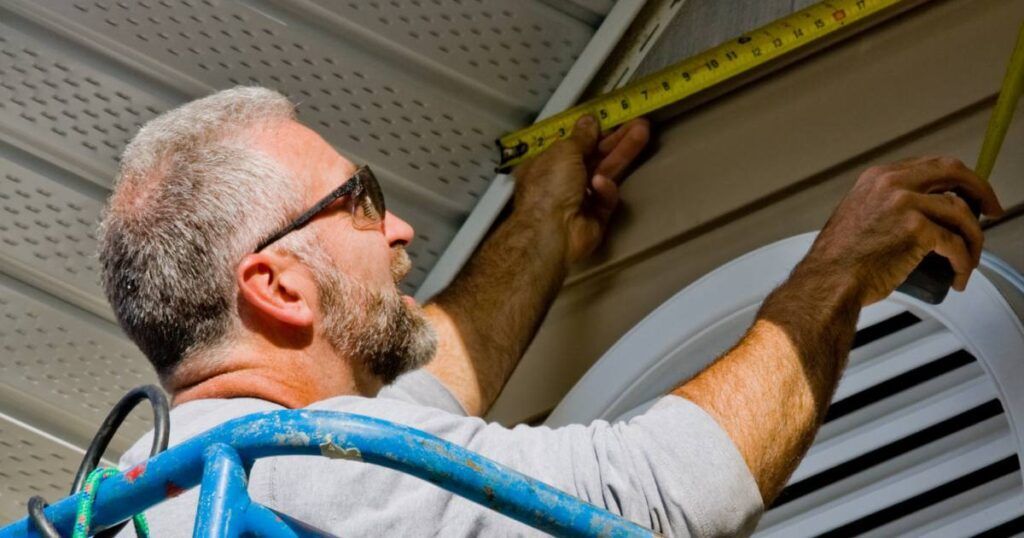
An accurate assessment of exterior damage is fundamental to choosing between a minor fix and siding replacement. Visual inspections highlight surface-level deterioration, while skilled professionals use specialized methods to identify profound structural concerns. Understanding aesthetic goals and structural requirements shapes the path forward when faced with exterior issues. The scale and severity of weather damage dictate logical choices, tipping the balance between a simple patch and a full overhaul. Consulting with exterior professionals offers distinct advantages. Experts bring specialized knowledge essential for identifying hidden moisture issues and recommending optimal solutions.
Financial capacity remains a core component of this decision, impacting long-term property health. Budget limitations dictate practical solutions that align with immediate resources while safeguarding the home. Grasping the full financial picture ensures owners have accurate expectations and can prioritize phases with calculated clarity. Thorough evaluations minimize surprises and illuminate feasible pathways to achieving the desired balance between initial cost and future benefit. These choices can also affect property insurance policies, influencing coverage terms and premiums. The final choice requires a balanced evaluation of product durability, immediate financial capacity, and specific aesthetic preferences to ensure long-lasting defense against harsh seasonal elements.
Decision-making involves assessing existing deterioration and planning for future endurance. Consistent upkeep and professional evaluations reinforce all exterior strategies, keeping the home secure against harsh weather. As you navigate these vital exterior decisions, utilizing these insights will ensure your home remains protected and beautiful. We are ready to handle your next project with premium craftsmanship, so let us secure your home by contacting Summit Roofing and Siding Contractors today.