November 17, 2026
Selecting durable, weather-resistant roofing systems is critical for structural stability, indoor comfort, and long-term property value. A residential or commercial roof serves as the primary barrier against heavy rain, snow accumulation, and extreme temperature fluctuations. However, reliable protection extends beyond surface coverings because it requires a coordinated assembly that incorporates proper pitch considerations, seamless weatherproofing around roof penetrations, and balanced thermal insulation beneath the deck. Many property owners also coordinate these projects with siding replacements to ensure the entire building envelope remains sealed.
Essential Principles of Total Roof Protection
Assess Architectural Structure and Pitch
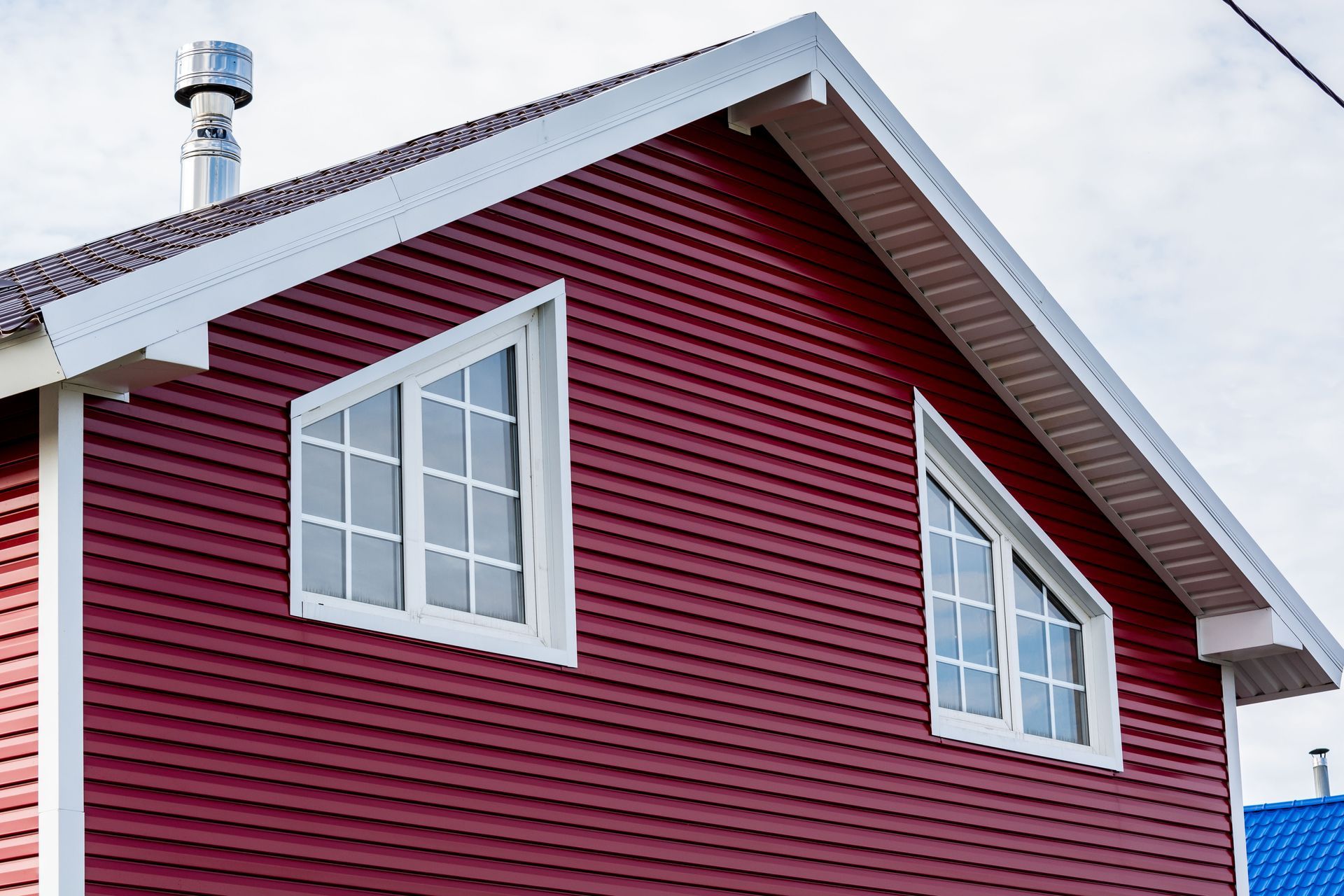
Evaluating the architectural profile of a building is the initial step in establishing effective exterior protection. Different roof configurations, from steep multi-plane residential pitches to minimal-slope commercial decks, handle runoff, snow load, and wind shear in fundamentally different ways. Selecting an appropriate roofing system requires matching the specific demands of the structure with materials designed to handle that exact slope and geometry.
Understanding how different roofing materials perform across various architectural structures allows property owners to select systems tailored to specific building needs. Evaluating options based on surface slope, expected lifespan, and maintenance requirements ensures the building envelope remains resilient against the elements for decades to come. Taking the time to account for drainage dynamics and structural load limits prevents premature deck deterioration and moisture leaks.
Coordinate Exterior Renovation Timelines
A comprehensive exterior defense requires aligning multiple protective building layers rather than treating individual components in isolation. When roof decking and perimeter flashing work together with exterior wall planes, the entire structure gains superior resistance to water infiltration and thermal transfer. Aligning major projects ensures that transitions between different surfaces are properly layered and completely weatherproofed.
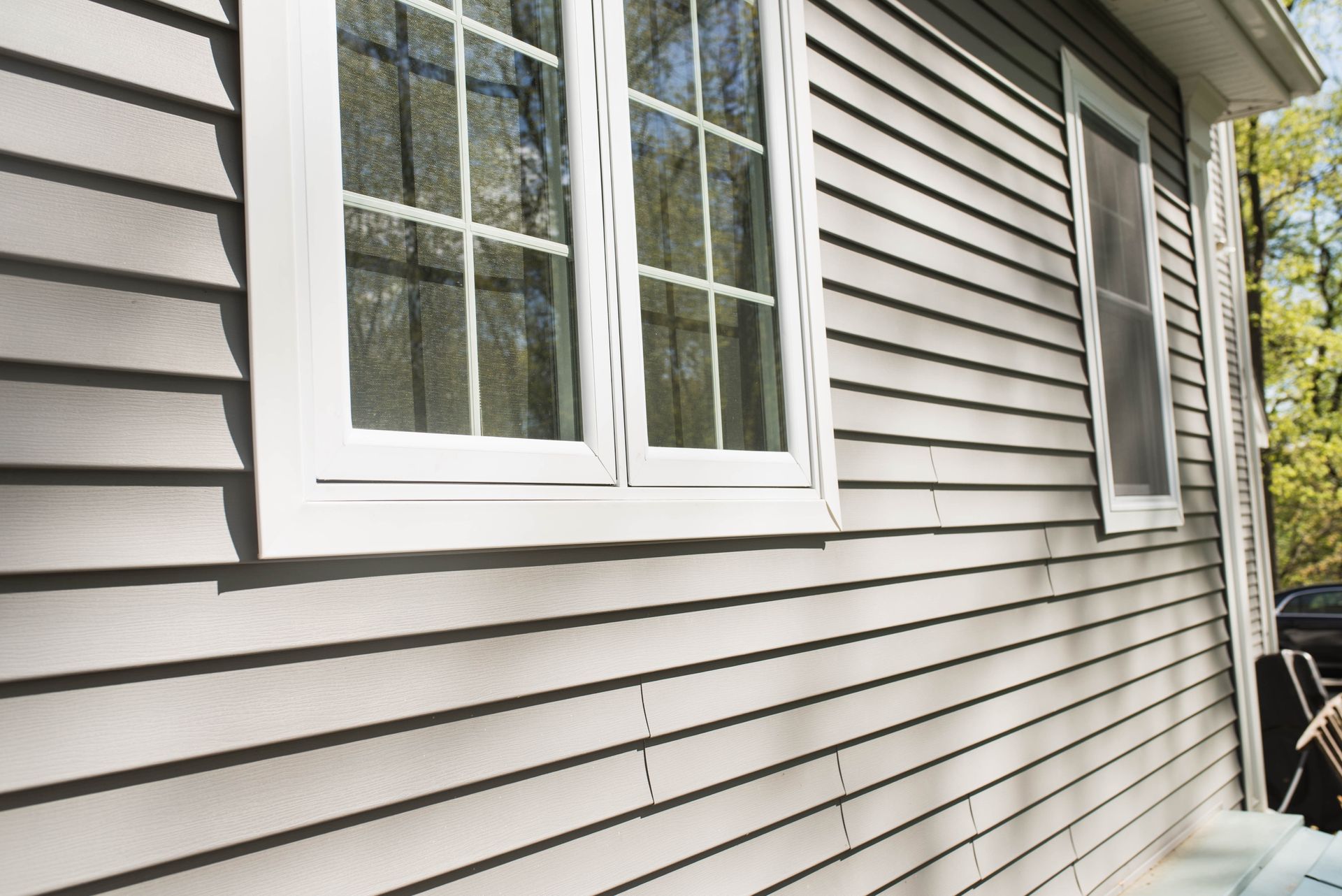
When planning major exterior renovations such as siding replacements, establishing a unified timeline helps streamline installation schedules. Coordinating these exterior upgrades prevents overlapping labor costs and protects freshly installed components from secondary construction damage. Proper scheduling allows contractors to seal overlapping seams, step flashings, and corner junctures systematically from the top down.
Popular Styles for Modern Roofing
Install Asphalt Shingle Systems
Asphalt shingles remain a widely utilized option for pitched roofs due to their dependability, versatility, and traditional aesthetic appeal. Built with a fiberglass mat coated in water-resistant asphalt and ceramic granules, modern shingle systems are engineered to withstand wind, rain, and solar radiation. They adapt well to standard gables, multi-plane roof structures, and single-slope roof configurations across the U.S. In addition, scheduling roof work alongside planned siding replacements provides an ideal opportunity to verify that step flashing ties cleanly into exterior wall planes.
The longevity of a shingle roof depends on complete system integration, including quality underlayment, drip edges, and precise installation around valleys and transitions. Periodic evaluations allow property owners to spot cracked or missing tabs early, preventing moisture from penetrating the wood deck beneath. This protective measure safeguards interior framing and preserves overall structural health.
Seal Low Slopes With EPDM Rubber
Flat and low-slope roof profiles present unique challenges because water cannot shed as rapidly as it does on steep pitches. For these applications, ethylene propylene diene monomer (EPDM) membrane roofing delivers dependable, long-term waterproofing. Unlike layered shingles, which are susceptible to leaks under pooling water, EPDM forms a durable, continuous rubber barrier across flat and low-pitch residential and commercial surfaces.
EPDM membranes provide high elasticity, expanding and contracting through extreme temperature shifts without cracking. The material exhibits strong resistance to ozone, UV exposure, and persistent standing water. Maintenance demands remain low, and localized punctures or surface wear can typically be serviced with targeted repairs rather than complete system replacements.
Upgrade Attic Insulation for Thermal Efficiency
A roofing system cannot function efficiently without adequate attic insulation. The thermal barrier established in the attic regulates heat flow between conditioned living spaces and the exterior elements, stabilizing indoor temperatures throughout the seasons. Coordinating attic upgrades during complete siding replacements can further reduce thermal bridging across exterior wall assemblies.
During freezing months, proper attic insulation minimizes upward heat loss through the ceiling plane. This barrier prevents warm air from heating the underside of the roof deck, mitigating the freeze-thaw cycles that generate ice dams along eaves and gutters. In summer, insulation blocks radiant heat absorption from entering living areas, lowering overall cooling demands across structures located in the United States.
Repair Chimney Masonry and Flashing
Chimneys are critical roof intersections that require specialized care. Because masonry expands and contracts at different rates than surrounding wood framing and roofing materials, joints along chimney bases are particularly prone to moisture intrusion if not properly protected. Maintaining these junctions is just as critical as maintaining wall sheathing during exterior renovations and siding replacements.
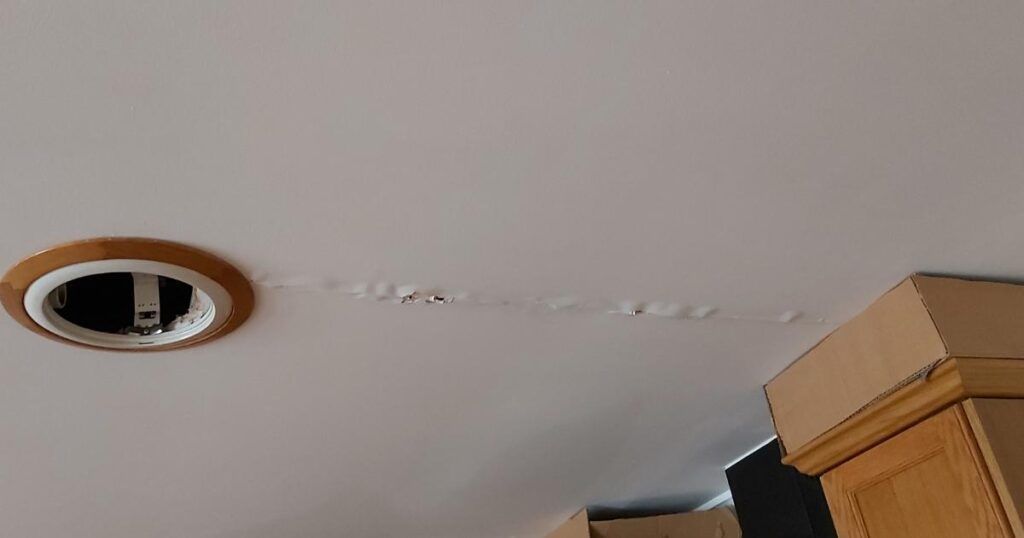
Deteriorating mortar, spalling bricks, and cracked counter-flashing allow rain to seep directly into framing structures, attic spaces, and finished ceilings. Regular inspections or flashing adjustments preserve the structural integrity of the fireplace assembly while eliminating hidden roof leaks. Taking care of these masonry details early stops moisture from penetrating deeper into living spaces.
Integrate Leak-Proof Skylights
Incorporating skylights adds natural daylight and architectural appeal to interior living areas. However, roof penetrations require exact flashing kits, proper curb construction, and continuous seals where the unit meets the surrounding shingles or EPDM membrane. Property owners frequently address window casings, roof curbs, and siding replacements together to maintain a unified water barrier.
Properly integrated skylights provide weather-tight protection against heavy rain, snow accumulation, and wind-driven moisture, delivering balanced interior illumination while preserving the energy performance of the envelope. Quality glass packages also limit solar heat gain during warmer months. These thoughtful enhancements brighten interior rooms without compromising structural security.
Proactive Care for Lasting Exterior Performance
Schedule Timely Preventative Inspections
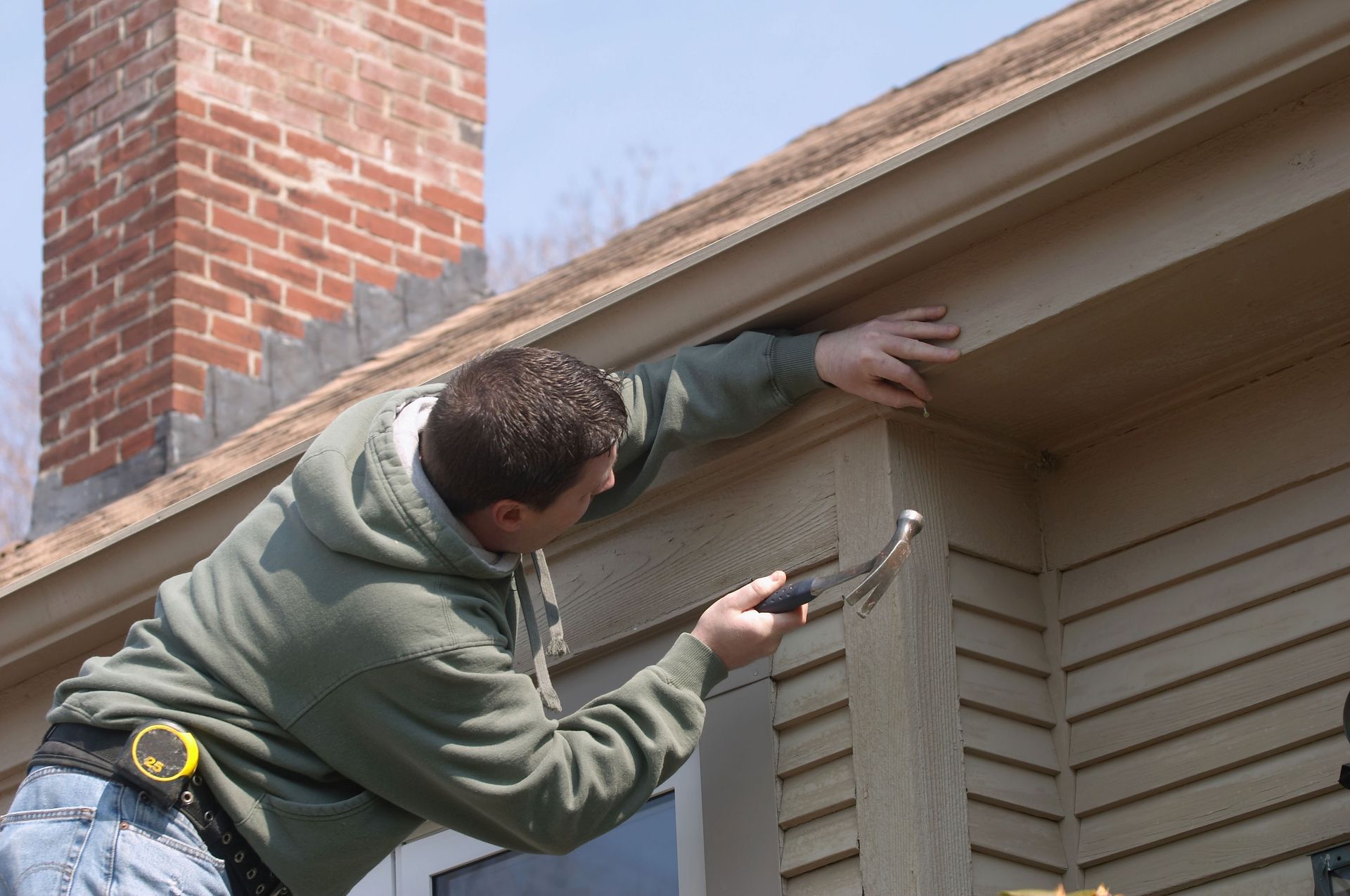
Routine inspections represent the most cost-effective approach to maximizing the life of a roof. Examining shingles for granule wear, checking rubber membranes for seam integrity, and inspecting flashings around chimneys and vents help identify minor issues before they cause structural wood decay or interior drywall damage. According to HomeGuide, asbestos fibers present in homes built before 1978 are not dangerous unless the siding suffers physical damage.
Addressing small repairs promptly keeps moisture out of framing members, protects interior ceilings, and ensures that roofing systems achieve their full design lifespan. Small maintenance investments prevent large-scale framing repairs later down the road. Regular visual checks provide lasting peace of mind throughout changing seasons.
Match Materials to Roof Pitch
Every roof design dictates appropriate material selection based on slope. Steep-slope and single-slope surfaces rely on gravity-assisted water shedding that allows multi-layered asphalt shingles to channel rainfall efficiently into gutter systems. In contrast, flat and low-pitch roofs present slow-draining surfaces that require non-porous, continuous barriers like EPDM rubber to resist standing water.
Defend Structures Against Severe Regional Climates
In regions that experience severe winter freezes, substantial snowfall, and humid summers, exterior materials face continuous expansion and contraction. Combining robust outer surfaces such as durable shingles or EPDM rubber with balanced attic insulation protects the entire building envelope from moisture damage, ice dam formation, and thermal loss. Aligning building envelope updates with full siding replacements gives older homes a complete defense against intense seasonal weather patterns.
Protecting your property against the elements demands premium materials, proven installation techniques, and a unified approach that safeguards everything from your roof deck and attic insulation to precision masonry and custom outdoor spaces. For residential and commercial property owners throughout Halfmoon, Clifton Park, and the surrounding Capital Region seeking durable roofing systems, weather-tight repairs, and complete exterior upgrades, Summit Roofing & Siding Contractors delivers the specialized craftsmanship needed to ensure long-term structural integrity. Visit our website to explore our comprehensive services and learn more about safeguarding your investment.